China Best Farm Fertilizer Supplier for Global Buyers?

Global buyers seeking a dependable farm fertilizer supplier in China need more than a competitive price. They need consistent product quality, clear documentation, and practical communication. A shipment may look straightforward on paper. In reality, a delayed analysis report or unclear nutrient label can complicate planning.

China has a broad fertilizer manufacturing and export sector, but suppliers differ in products, capacity, and quality controls. Buyers should compare nutrient specifications, batch testing, packaging, lead times, and after-sales support. Ask for recent product analyses and confirm that labels match the goods being offered. Check the import and product requirements that apply in your destination market. Small details matter. A bag is not just a bag.

Agronomist and Nobel Peace Prize laureate Norman Borlaug said, “You can’t build a peaceful world on empty stomachs and human misery.” His words speak to food security, not to any single fertilizer supplier. Still, they underline why reliable agricultural inputs deserve careful evaluation. The right product depends on crop, soil, climate, and application plan; a supplier cannot replace local agronomic advice. Buyers should also be candid about uncertainty: a polished website does not prove consistent performance, and one strong sample cannot guarantee every batch. This guide examines how global buyers can assess Chinese farm fertilizer suppliers with evidence, useful questions, and realistic expectations.
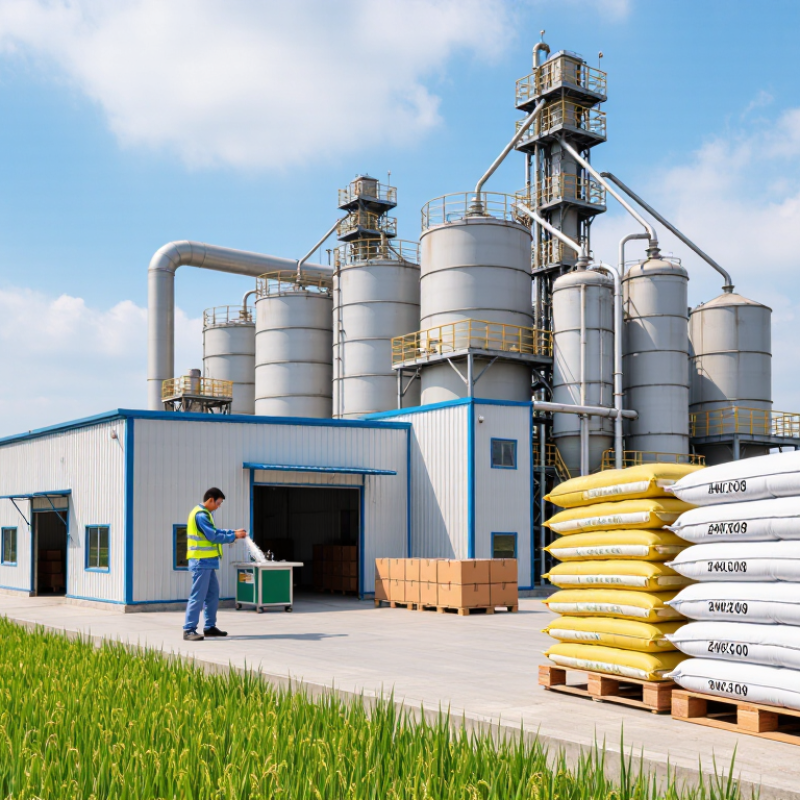
China Best Farm Fertilizer Supplier for Global Buyers?

What Defines a Leading Farm Fertilizer Supplier in China?

A leading farm fertilizer supplier in China is defined by verified quality, not a low quote alone. Buyers should check batch-specific certificates of analysis, nutrient content, moisture, granule size, and contaminant testing. These details affect storage, spreading, and crop response. IFA’s 2024 outlook estimated global fertilizer demand at about 200.5 million tonnes of nutrients for 2023/24, showing the scale of a market where dependable supply matters. Consistency matters. Ask whether retained samples and production records can be traced to each shipment.

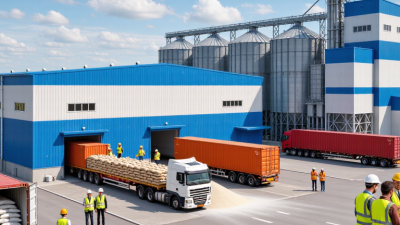
Export capability also means clear documents, realistic lead times, and packaging suited to long-distance handling. A pallet exposed to rain can arrive with caked granules, even when its original lab results look sound. Suppliers should explain how they control moisture, inspect loading, and handle quality complaints. Ask for recent test reports, not only a general product sheet. Small details count.

Experience shows that one successful shipment proves little; repeat performance is the harder test. A useful supplier shares specifications before payment and flags any limits in its data. FAO’s World Fertilizer Trends and Outlook to 2018 projected global nutrient demand at 200.5 million tonnes by 2018, a historical forecast that underlines the sector’s scale, not today’s demand. Certificates help, but they do not guarantee identical field results. Buyers still need local trials and agronomic advice.

What Defines a Leading Farm Fertilizer Supplier in China?

Compare guaranteed nutrient grades when evaluating fertilizer products for global markets.

Typical commercial grades are shown as percentages by weight: N is nitrogen, P₂O₅ is phosphate, and K₂O is potash. A reliable supplier should provide verifiable product specifications and documentation, and help buyers match grades to crop, soil, and destination-market requirements.

Major Fertilizer Types and Their Agricultural Uses

China Best Farm Fertilizer Supplier for Global Buyers?
Major Fertilizer Types and Their Agricultural Uses

Fertilizer choice starts with the nutrient gap, not the bag. Nitrogen fertilizers, including urea, support leafy growth and protein formation in cereals. Too much can delay maturity or leave unused nitrogen in soil. Phosphate fertilizers support root development and flowering, particularly where soil tests show low available phosphorus. Potash helps regulate water use and strengthen stalks during dry spells. Small doses matter. FAO’s 2019 World Fertilizer Trends and Outlook projected global nutrient demand at 201.8 million tonnes in 2022. It forecast average annual growth of 1.5% from 2018 to 2022. This was a projection, not a measured result.

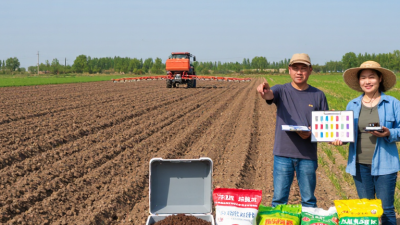
Compound NPK fertilizers supply nitrogen, phosphorus, and potassium together, but their ratios may not fit every field. A rice grower and an orchard manager can need very different nutrient balances. Micronutrient fertilizers, such as zinc or boron products, are useful when soil or crop tests confirm a deficiency; routine use is not automatically beneficial. Organic fertilizers can add nutrients and organic matter, though nutrient release is less predictable. Before choosing a supplier, buyers should check nutrient analysis, solubility, and batch documentation. A practical trial strip can reveal whether a product performs under local soil and weather conditions. It is not perfect evidence, but it is better than relying on a label alone.

How Chinese Suppliers Serve International Markets

Chinese fertilizer suppliers serve international buyers through product selection, export coordination, and shipment planning. Their catalogs may include granular and water-soluble fertilizers for different crops and application methods. Buyers should compare nutrient specifications, solubility, packaging size, and delivery terms—not just price. A 25-kilogram bag suits some farms; bulk shipments may fit larger operations. Small details matter.

Export service can include product samples, technical data sheets, laboratory reports, and support with shipping documents. Requirements vary by destination, so import rules and product registration should be checked with local authorities before an order is placed. Clear communication helps prevent mismatched specifications or delays at the port. Still, a polished brochure is not proof of consistent quality. Ask how batches are tested, and confirm that documents match the goods being shipped.

Tips: Request a recent test report and a clearly written specification. Compare a sample with the delivered batch when possible. Check packaging labels, shipment dates, and moisture protection. Allow time for customs review. Plans change. Even experienced buyers can overlook one document or a small change in crop needs.

Quality Standards and Export Requirements for Fertilizers

Global fertilizer trade depends on more than a competitive price. The International Fertilizer Association’s May 2024 Short-Term Fertilizer Outlook estimated global consumption at about 192.5 million tonnes of nutrients in 2023/24. At that scale, small differences in nutrient content can affect both crop plans and buyer costs. Request a batch-specific certificate of analysis, not only a general product sheet.

Check that the certificate states guaranteed nutrient percentages, test methods, moisture, particle size, and relevant contaminant limits. Compare those figures with the purchase contract and the product label. Keep batch numbers consistent across bags, invoices, and shipping documents. Details matter. For EU-market products, Regulation (EU) 2019/1009 sets conformity and labeling requirements for products sold as CE-marked EU fertilising products; it is not a universal export passport. Import rules differ by destination and product type, so confirm them before shipment.

A complete export file may include a certificate of analysis, safety data sheet, packing list, invoice, and origin documents. Buyers should also verify packaging strength: a damp pallet or torn bag can undermine otherwise sound quality. One point deserves honest attention: paperwork can look complete while a batch number differs by one digit. Ask the supplier to reconcile discrepancies before dispatch, and retain sealed samples where practical.

China Best Farm Fertilizer Supplier for Global Buyers? - Quality Standards and Export Requirements for Fertilizers

Product or Area Key Quality Checks Relevant Standard or Reference Typical Export Documentation Buyer Verification
Compound and NPK fertilizers Verify declared nitrogen, available phosphate and water-soluble potassium; check moisture, particle size, appearance and nutrient uniformity against the product specification. China’s GB 15063-2020 covers compound fertilizers (complex fertilizers). GB 38400-2019 sets limits for toxic and harmful substances in fertilizers. Commercial invoice, packing list, sales contract, transport document and certificate of analysis (COA). A certificate of origin may be supplied when required by the destination or buyer. Match the COA and package label to the agreed grade and applicable standard. Arrange independent sampling and testing when the contract requires it.
Urea and other nitrogen fertilizers Check nitrogen content, moisture, biuret where applicable, particle condition and any product-specific impurities listed in the specification. Use the current product standard applicable to the specific fertilizer and grade; confirm the standard and test methods stated on the COA. Invoice, packing list, contract, transport document and COA; provide a safety data sheet (SDS) if requested by the carrier, importer or destination authority. Confirm the declared nitrogen grade, test basis, batch identification and packaging details. Do not assume one specification applies to every nitrogen product.
Phosphate and potash fertilizers Check the declared available or soluble nutrient forms, moisture, particle size and product-specific limits. For blended products, verify each declared nutrient separately. Applicable requirements depend on fertilizer type, grade and intended market. Chinese product standards and destination-country rules may both apply. COA and shipment documents; product composition and SDS where required. Additional certificates depend on the product and destination regulations. Ensure that nutrient terms and test methods on the COA match the purchase specification and the destination’s labeling requirements.
Contaminants and restricted substances Review test results for regulated toxic or harmful substances relevant to the product, including any limits specified by the buyer or importing jurisdiction. GB 38400-2019 is China’s standard for limits of toxic and harmful substances in fertilizers. Destination markets may set different or additional limits. COA or laboratory test report; other declarations or certificates only where required for the specific product, shipment or market. Check the sampling method, laboratory details, test date and applicable limit. Confirm that the destination’s rules are assessed separately.
Packaging and product labeling Check bag integrity, net weight, moisture protection, batch traceability and legibility of product name, nutrient declaration and handling information. Follow applicable Chinese product-labeling requirements and the importing country’s language, net-content and fertilizer-label rules. Packing list and package specifications; label artwork or a label declaration may be requested during buyer review or import clearance. Approve the label and packaging before production. Confirm that the declared grade, batch number and net weight agree with the contract and shipping documents.
Export clearance and shipment compliance Confirm the product description, grade, quantity, packaging and tariff classification are consistent across the contract and export documents. Export procedures and controls can vary by product, HS code, customs requirements and current Chinese policy. Import rules are set by the destination market. Common documents include customs declaration data, invoice, packing list, contract and transport document. Certificates of origin, inspection documents or other permits may be needed depending on the shipment. Have the exporter and importer confirm current requirements with the relevant customs authorities, carrier and destination-country importer before dispatch.
Destination-market import requirements Assess product registration or authorization, permitted composition, contaminant limits, labeling language and any local packaging or notification rules. Requirements vary by country and product category; Chinese compliance alone does not guarantee eligibility for import or sale in another market. Potentially required documents may include a COA, SDS, certificate of origin, import permit or product registration evidence, subject to local rules. Obtain written confirmation of the applicable requirements from the importer or competent authority before placing the order.

Note: Standards, export controls and import requirements can change and may differ by fertilizer type, HS code and destination. Verify the current rules and the exact product specification before contracting or shipping.

How Global Buyers Evaluate and Select Suppliers

For global buyers, a Chinese fertilizer supplier should be judged by evidence, not polished brochures. Request a recent product specification, batch analysis, and safety data sheet. Compare nutrient content, moisture, particle size, and solubility against your crop and application method. Ask how samples are collected and retained. A neat certificate cannot prove every shipment is identical; sampling can miss variation. That deserves attention.

Check the supplier’s quality controls and production consistency. The International Fertilizer Association’s medium-term fertilizer outlook tracks demand across nutrients and regions, underscoring why buyers should confirm product suitability for their destination market rather than rely on a generic specification. Verify that test results identify the batch, laboratory, and test date. Paperwork matters. So does the factory’s willingness to explain an out-of-range result.

Logistics can make a sound product a costly purchase. UNCTAD’s Review of Maritime Transport 2024 reports that shipping carries over 80% of world trade by volume. Ask for realistic lead times, packaging details, moisture protection, and clear procedures for delayed or damaged cargo. Compare landed cost, not just the quoted price. Small details matter. I would still want independent inspection for a first order; it adds cost, but skipping it may be the more expensive gamble.